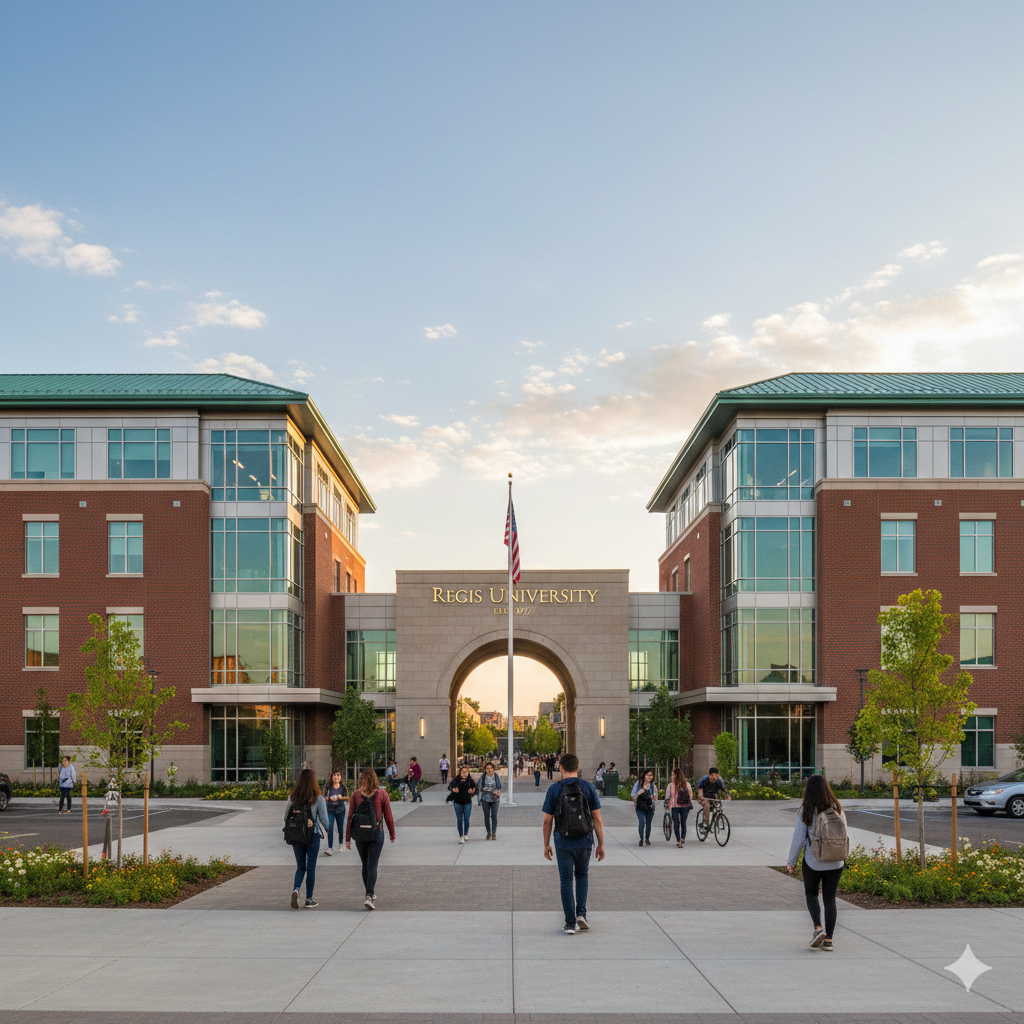
The landscape of North Denver is undergoing a historic transformation. At the heart of this change is Regis University, a Jesuit institution that has anchored the neighborhood since 1884. Moving into 2026, the university is no longer just a collection of ivory towers and lecture halls; it is becoming a catalyst for a revolutionary mixed-use development known as Regis Village. This project represents a bold step toward redefining how a modern university integrates with its surrounding urban environment, moving away from isolation and toward a model of shared prosperity and community connection.
The Genesis of a New Vision
For decades, the eastern edge of the Regis campus along Federal Boulevard—specifically the area known as Regis Square—was characterized by aging retail spaces and underutilized parking lots. While the interior of the campus remained a lush, academic sanctuary, its outward face to the city felt disconnected.
The Regis Village project, which received pivotal rezoning approval from the Denver City Council in late 2025, aims to change that. By partnering with developers and engaging in deep community dialogue, Regis University is converting roughly 27 acres of university-owned land into a vibrant, pedestrian-friendly urban hub. This isn’t just an expansion of the school; it is a vision for a “village within a city” that serves students, faculty, and North Denver residents alike.
Bridging the Gap: Architecture and Urban Design
The architectural philosophy of Regis Village is rooted in the concept of “permeability.” Unlike traditional campus expansions that create gated enclaves, Regis Village is designed to be porous.
- Mixed-Use Integration: The development plans include a sophisticated blend of residential units, ground-floor retail, and collaborative office spaces. By 2026, the first phase of infrastructure has begun to take shape, showcasing buildings that reflect the red-brick heritage of the main campus while incorporating modern glass and sustainable timber elements.
- Affordable and Workforce Housing: A critical component of the project is addressing Denver’s housing crisis. Regis Village includes dedicated units for workforce housing, ensuring that those who work in the neighborhood—including teachers, healthcare workers, and university staff—can afford to live there.
- Public Green Spaces: The design prioritizes the “Human Scale.” Extensive plazas, community gardens, and wider sidewalks along Federal Boulevard are being built to encourage foot traffic and social interaction.
Economic Vitality: Revitalizing Federal Boulevard
Federal Boulevard has long been a major transit artery, but it has often lacked the “placemaking” qualities that define Denver’s most popular neighborhoods. Regis Village acts as an economic engine for this corridor.
By introducing a permanent population of residents and daily visitors to the new retail district, the project is attracting a diverse array of businesses. We are seeing the arrival of local coffee roasters, independent bookstores, and “incubator” spaces where student entrepreneurs from the Anderson College of Business and Computing can launch startups. This creates a circular economy where the university provides the talent and the “Village” provides the marketplace.
The Jesuit Heart: Cura Personalis in Urban Planning
At the core of this massive construction project is the Jesuit value of Cura Personalis—care for the whole person. University leadership, including Interim President Rev. D. Scott Hendrickson, S.J., has consistently stated that Regis Village must reflect the university’s mission to be “men and women for and with others.”
This is manifested in the Regis University Community Health Services, which is expected to have a presence within the Village. By bringing physical therapy, counseling, and pharmacy services out of the campus interior and into a public-facing storefront, Regis is making healthcare more accessible to the immigrant communities and long-term residents of North Denver.
Furthermore, the project includes the “North Denver Heritage Trail,” a series of public art installations and historical markers integrated into the Village’s walkways. This trail tells the story of the neighborhood’s diverse history, from its agricultural roots to its status as a multicultural hub.
Sustainability and the Future
As we look toward the completion of the major phases in the late 2020s, Regis Village is setting a standard for sustainable development in Colorado. The project incorporates:
- Solar-Ready Rooftops: Aiming to offset a significant portion of the district’s energy consumption.
- Smart Transit Hubs: Integrated bus rapid transit (BRT) stops and bike-sharing stations to reduce reliance on cars.
- Water Conservation: Utilizing advanced xeriscaping and gray-water systems to honor the high-desert climate of the Front Range.
A Model for 21st-Century Higher Education
Regis University’s “Regis Village” is more than a real estate venture; it is a response to the changing nature of higher education. In an age where online learning is prevalent, the physical campus must offer something more than just a classroom. It must offer a community.
By creating a space where a student can walk from a philosophy seminar to a local bakery, and then to a subsidized apartment shared with a community nurse, Regis is breaking down the walls between “academic life” and “real life.”
Conclusion
As 2026 unfolds, the cranes over North Denver are a sign of hope. Regis Village is proving that growth doesn’t have to mean displacement, and that a university’s greatest asset isn’t just its endowment, but its relationship with its neighbors. Redefining urban living through the lens of Jesuit values, Regis University is ensuring that it remains a beacon of light, learning, and connection for the next century.