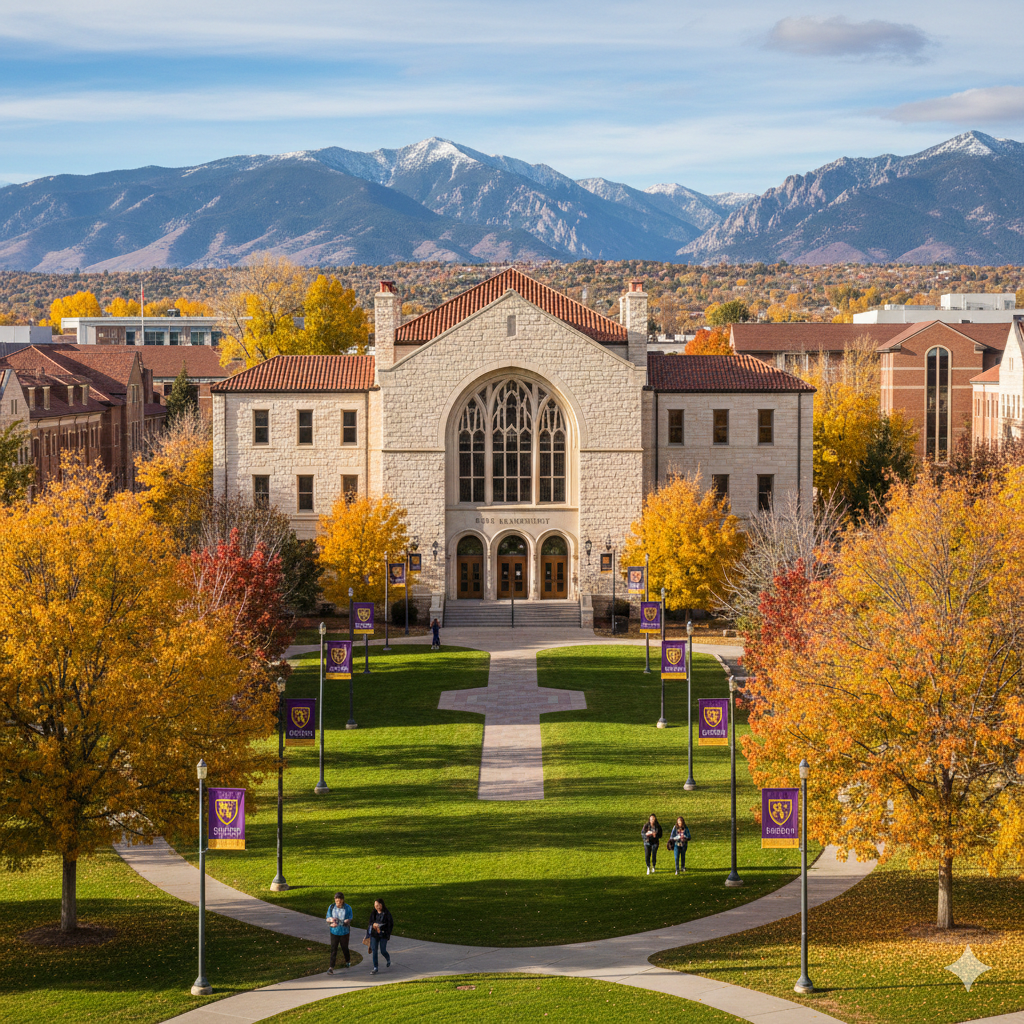
As we navigate the mid-point of the 2020s, the intersection of technology and humanity has become the primary frontier for higher education. At Regis University, this challenge is being met with a unique blend of Jesuit tradition and forward-thinking innovation. In 2026, the university has solidified its position as a national leader by focusing on two critical pillars: the ethical deployment of Artificial Intelligence (AI) and the pursuit of excellence in Nursing and Health Professions.
The Ethical AI Frontier: Anderson College of Business and Computing
The rise of generative AI has transformed every industry, but it has also raised profound questions about bias, privacy, and the future of work. Regis University’s Master of Science in Applied Artificial Intelligence, now in its second full year of operation in 2026, has become a flagship program precisely because it refuses to separate technical skill from moral discernment.
Unlike many tech programs that focus solely on “how” to build models, the Regis curriculum is built on “why.” Students in the Anderson College of Business and Computing engage in a curriculum that balances machine learning and deep learning with intense coursework in AI Governance and Safety.
“We are not just training engineers; we are forming ethical architects,” says the Dean of Anderson College. “Our graduates are prepared to address the ‘black box’ problem of AI, ensuring that as these systems become more autonomous, they remain transparent and aligned with human dignity.”
Nursing Excellence: Setting National Standards
While the tech world evolves, the demand for compassionate, highly skilled healthcare providers has never been higher. The Rueckert-Hartman College for Health Professions at Regis continues to outperform national benchmarks.
In 2026, the Loretto Heights School of Nursing celebrated a milestone achievement. Recent data indicates that Regis nursing graduates have maintained a 94% first-time pass rate on licensure exams, significantly higher than the national average. This success is attributed to the university’s innovative Team-Based Learning (TBL) model, where students solve complex clinical scenarios in collaborative environments that mimic real-world hospital units.
The Ph.D. in Nursing: Research for a Just World
Beyond undergraduate success, the new Doctor of Philosophy (Ph.D.) in Nursing program is now producing its first wave of doctoral candidates. This program is specifically designed to bridge the gap between clinical practice and academic research.
- Dissertation by Publication: An innovative approach where students prepare peer-reviewed articles throughout their studies, speeding the transition of research into the medical field.
- Focus on Health Equity: Research at Regis often centers on serving underserved populations, aligning with the university’s Hispanic-Serving Institution (HSI) status and its commitment to social justice.
The Synergy of Health and Tech
In 2026, the most exciting developments at Regis are happening where these two fields collide. The university has pioneered an AI-Enhanced Clinical Simulation program. Nursing students now practice their bedside manner and diagnostic skills using high-fidelity mannequins integrated with conversational AI. These “patients” can simulate complex medical histories and even emotional distress, allowing students to practice empathy and ethical decision-making in a safe, controlled environment.
This interdisciplinary approach ensures that as AI enters the hospital—from predictive diagnostics to robotic assistance—Regis-trained nurses are ready to lead the implementation, ensuring the technology serves the patient and not the other way around.
Leadership for a New Era
The year 2026 also marks a historic transition in leadership as Regis University nears the conclusion of its search for the 29th President. This search is not just about finding an administrator; it is about selecting a visionary who can steward the university’s $138-year legacy into a digital-first world. The search committee, comprised of faculty, students, and trustees, has emphasized the need for a leader who embodies Magis—the restless desire for excellence—while remaining rooted in the community.
Community Impact and Global Recognition
The university’s efforts have not gone unnoticed. In early 2026, Regis was once again honored with the Carnegie Community Engagement Classification. This prestigious elective designation recognizes the university’s deep integration with the city of Denver, from its food security programs to its culturally responsive nursing education grants.
Conclusion: A Compass in the Digital Age
As the world becomes increasingly complex, Regis University serves as a compass. Whether it is through the development of the Regis Village urban project or the training of ethical AI consultants and world-class nurses, the university remains dedicated to the “whole person.”
In 2026, “Leading with Ethics” isn’t just a slogan at Regis; it is the lived experience of thousands of students who are graduating ready to solve the most pressing challenges of our time with competence, conscience, and compassion.